

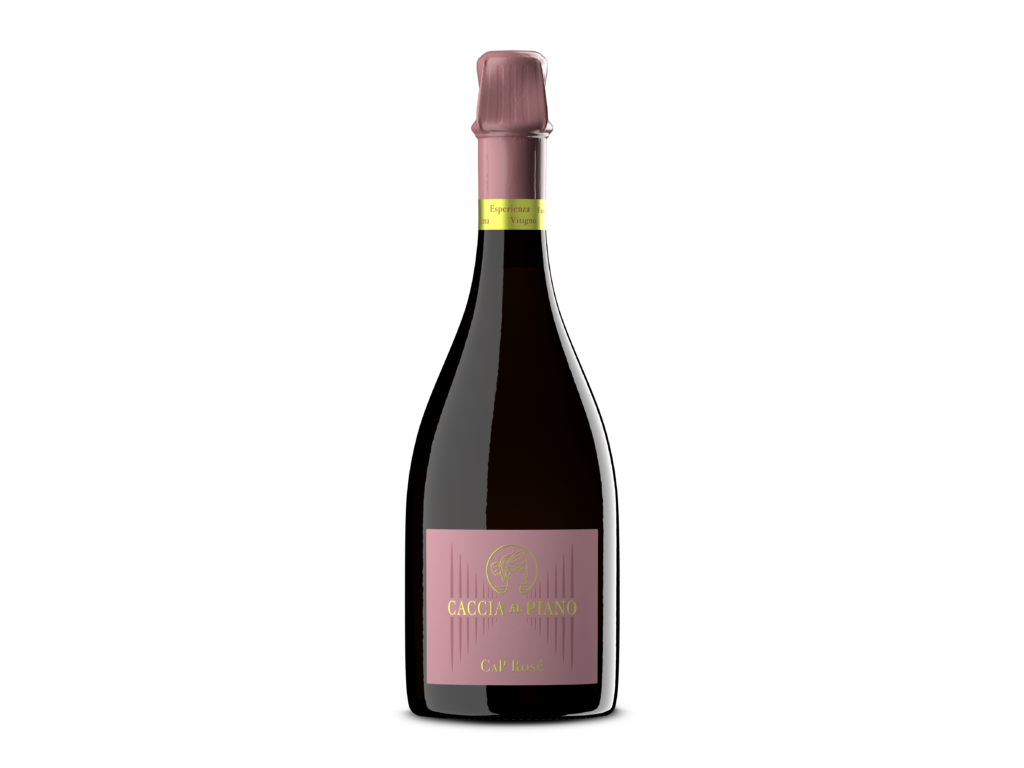
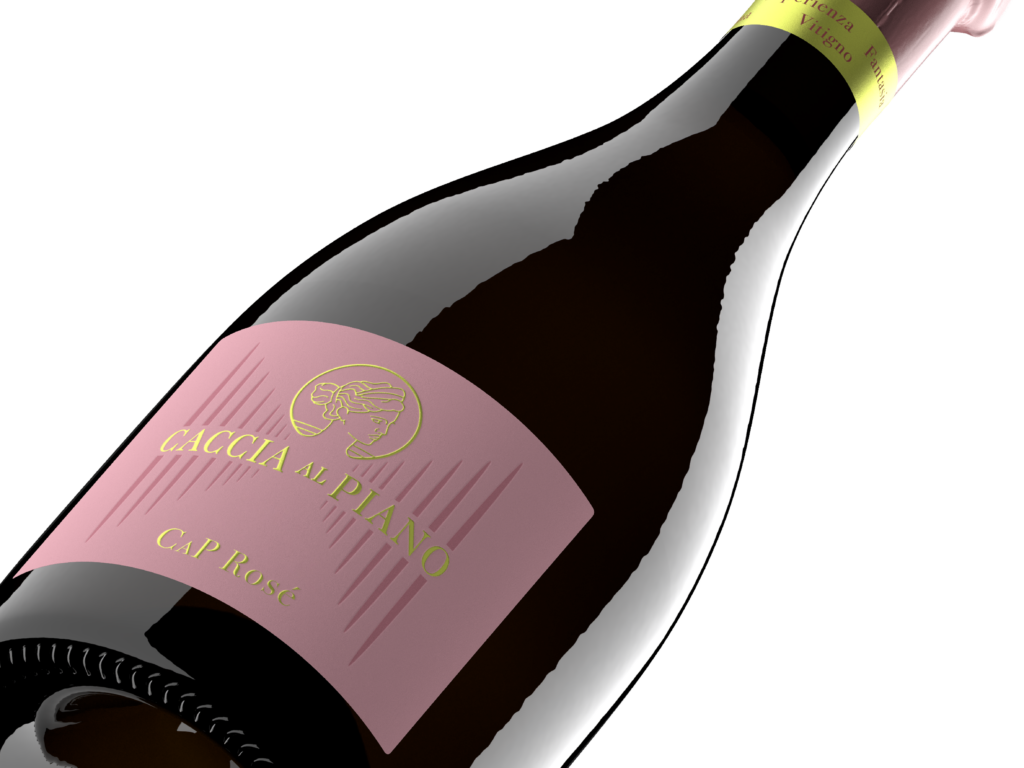
CaP Rosé
Metodo Classico VSQ
2021
Some years ago, we rediscovered a growing area that, to say the least, is extraordinary. That inspired us to dream afresh and to apply what our family has been doing with passion for 60 years. This cuvée of Syrah and Merlot surprised us, too. Terroir, Grape Variety, Climate, Experience, and Imagination: they are what served as our guide in this new, exciting adventure.
BLEND
50% Syrah
50% Merlot
GROWING YEAR
A fairly rainy winter ushered in the 2021 growing year, with above-average maximum temperatures, which brought an early budbreak in the vineyards. Spring, too, brought sporadic rain between April and early May, which re-appeared only in September. Summer was thus hot and dry, which kept the ecosystem healthy and pest-free and gifted us an early, and very high-quality harvest.
VINIFICATION
The two grapes are hand-harvested separately in small 15 kg crates at different moments, as soon as each reaches optimal desired ripeness. The clusters of each then receive a very gentle, gradual pressing, resulting in a yield of only 40% in a must rich in primary aromas, a firm acidity, and abundant polyphenols, but without extracting tannins that would negatively impact the elegance and finesse of our classic method wine. The must ferments slowly at a low temperature for about 15 days; at a certain point, the temperature is lowered abruptly, to conserve some natural sugars, which will serve for the secondary fermentation in the bottle.
MATURAZIONE
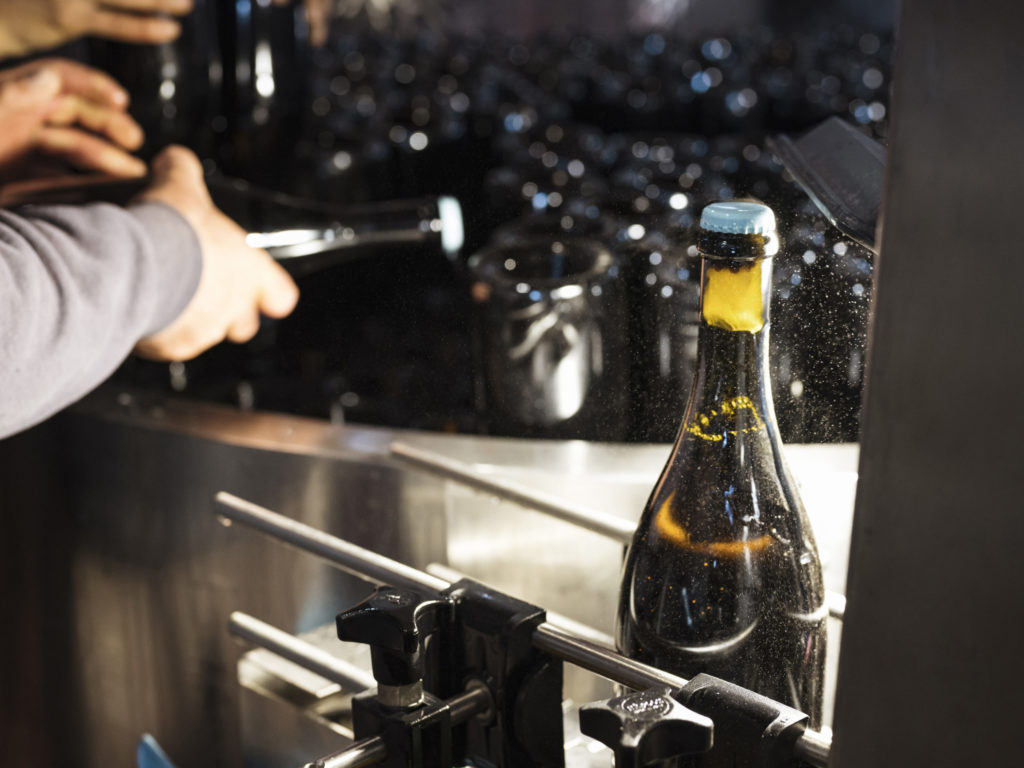
In the successive spring, the wine undergoes tirage: it is bottled together with yeasts that will transform the remaining sugars into alcohol and CO2. When the secondary fermentation concludes, the sparkling wine undergoes a further maturation in the bottle on the spent yeast cells for 10 months. The wine is then riddled and disgorged, for this vintage on 8 and 9 March 2023.
Caccia Al Piano / Ruit Hora / Lungocosta / CaP Rosé / Grottaia Rosso / Grottaia Vermentino / Grottaia Rosato / Olio EVO